Understanding the Importance of Doppler Monitors in Pregnancy
Pregnancy is a period of significant transformation and anticipation, and monitoring fetal health is paramount for expectant parents and healthcare providers. Among the tools employed during this period, Doppler monitors have gained widespread importance. These devices are essential for assessing fetal well-being, providing reassurance, and identifying potential complications early. Understanding how these monitors work, their benefits, and their application can help demystify their role in prenatal care.
What is a Doppler Monitor?
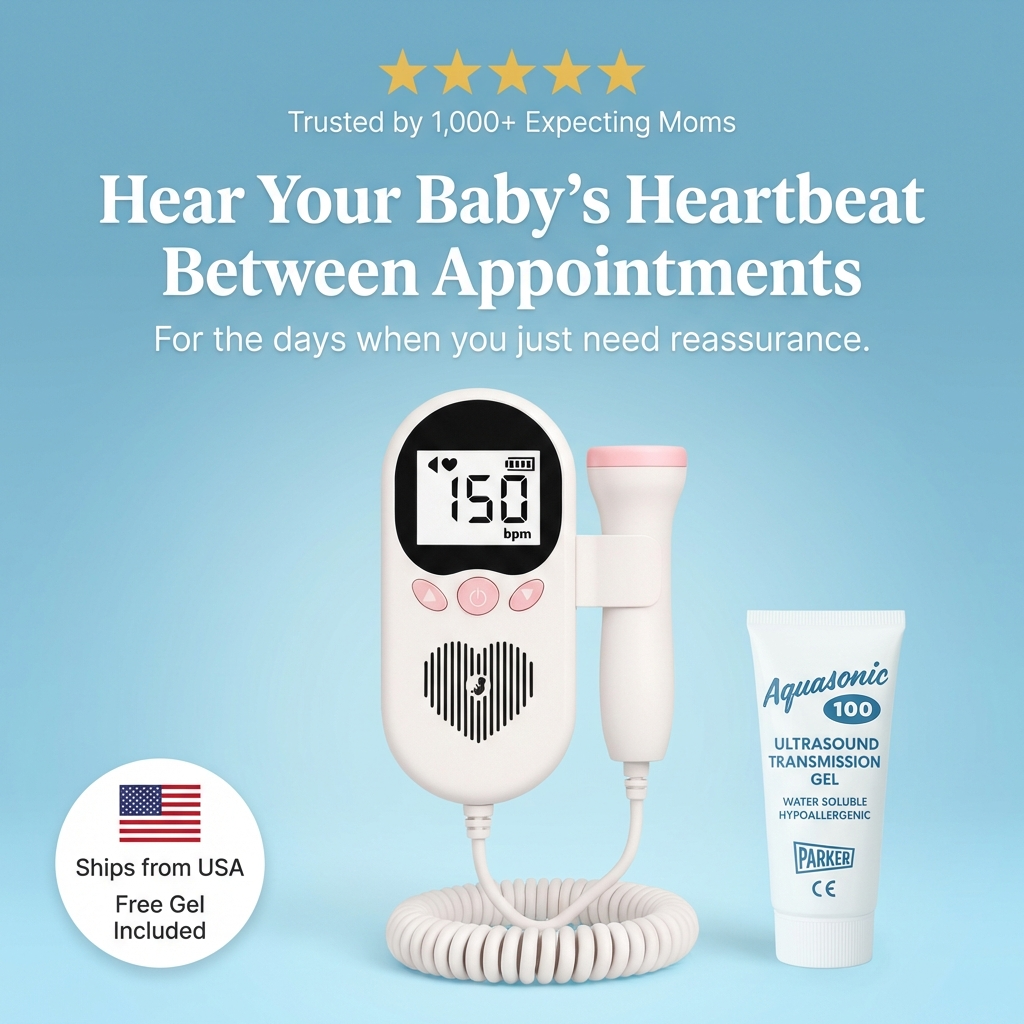
A Doppler monitor is a portable ultrasound device that uses high-frequency sound waves to detect the movement of blood within the body, particularly to monitor the fetal heartbeat during pregnancy. The device translates the movement into sound, allowing caregivers and parents to hear the baby’s heart rate.
Features of Doppler Monitors
- Non-invasive and safe for both mother and fetus.
- Provides real-time feedback on fetal heart rate.
- Portable and easy to use at home or in a clinical setting.
- Equipped with audio output for clear heartbeat detection.
- Some models include digital displays for heart rate readings.
The Importance of Doppler Monitors in Pregnancy
Doppler monitors play a critical role in prenatal care for several reasons:
Early Detection of Potential Issues
Regular use of a Doppler monitor can help detect deviations from normal fetal heart rate patterns, which may indicate potential complications such as fetal distress or other underlying issues. Early detection allows for timely intervention and management. Explore advanced guides and tips.
Reassurance for Expectant Parents
Hearing the fetal heartbeat can provide immense reassurance to expectant parents, especially those who have experienced complications in previous pregnancies. This reassurance can contribute significantly to the overall emotional well-being of the parents. Find out more about this approach.
Facilitating Bonding
Listening to the fetal heartbeat can enhance the bonding experience between parents and the unborn child. It can make the pregnancy feel more real and engaging, strengthening the emotional connection. Learn about tailored solutions.
When and How to Use Doppler Monitors
While Doppler monitors are widely used, understanding the appropriate time and method for their use is crucial. They are typically employed from the second trimester onwards, when the fetal heartbeat is more easily detectable.
- Consult a healthcare provider before using a Doppler monitor at home.
- Use the monitor in a quiet room to minimize background noise.
- Apply a small amount of ultrasound gel on the probe to enhance sound transmission.
- Move the probe slowly and gently across the abdomen to locate the heartbeat.
- Avoid excessive use, as it is not a substitute for regular prenatal check-ups.
For those considering integrating Doppler monitors into their prenatal routine, professional advice is indispensable. Discover expert strategies here.
Conclusion
Doppler monitors are a valuable tool in modern prenatal care, offering real-time insights into fetal health and contributing to the peace of mind of expectant parents. While they provide significant benefits, it is essential to use them appropriately and in conjunction with regular prenatal care. Understanding their role and limitations ensures they are used effectively to support a healthy pregnancy journey. Explore advanced guides and tips.
