How to Choose a Reliable Waterless Essential Oil Diffuser
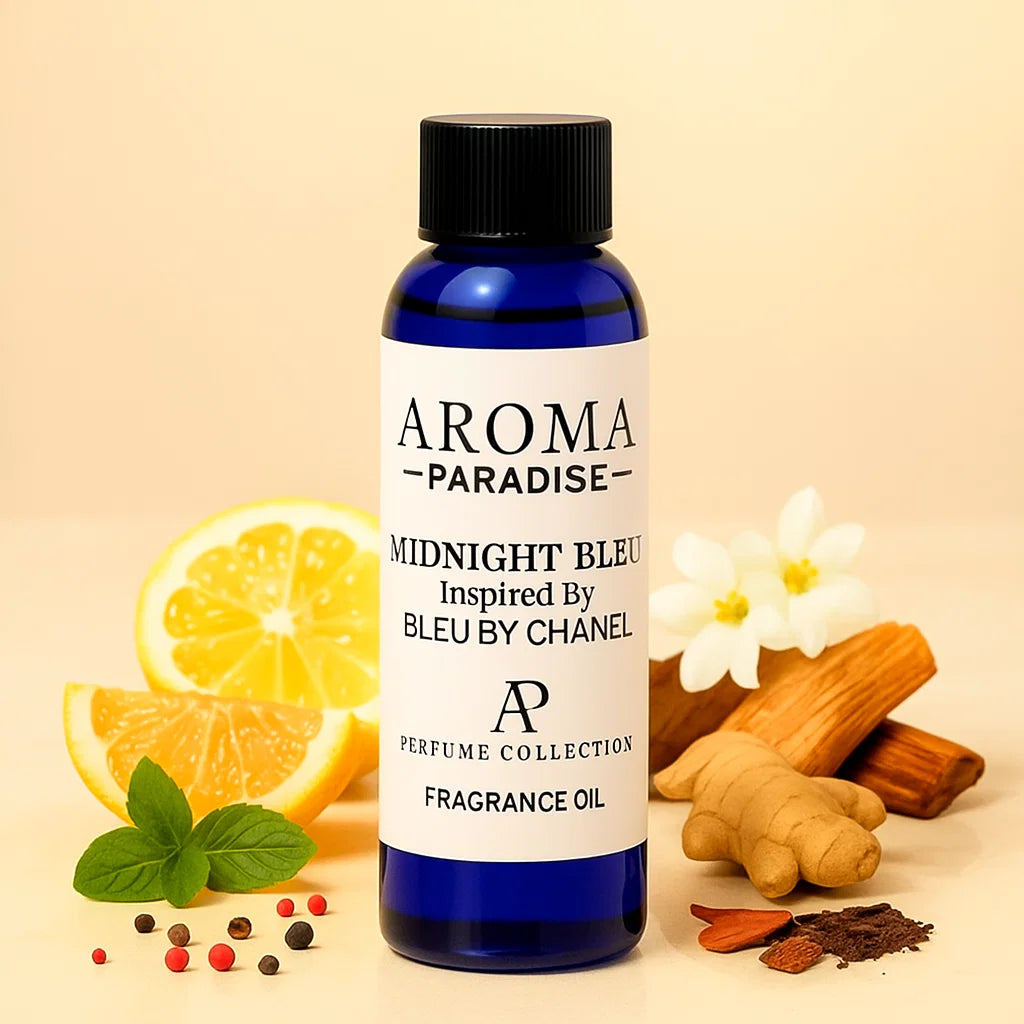
Choosing the right waterless essential oil diffuser can feel overwhelming, especially with a market flooded with gadgets that promise aroma, wellness, and style. A reliable diffuser not only preserves the integrity of the oil but also ensures consistent performance, safety, and longevity. This guide walks through the essential criteria, technology, materials, design, and user experience, so an informed decision can be made without the guesswork.
Understanding Waterless Diffusion Technology
Unlike traditional ultrasonic models that rely on water, waterless diffusers use a cold-air or heat-free mechanism to vaporize essential oils directly. This approach eliminates dilution, maintains the oil’s full therapeutic profile, and reduces maintenance.
Key Technological Features
- Cold-air diffusion: Air passes over a porous ceramic or fiber pad saturated with oil, releasing a fine mist without heat.
- Heat-free evaporation: Some models employ a gentle airflow that draws oil up a wicking material, delivering scent without altering chemical composition.
- Smart controls: Timers, intensity settings, and app integration allow precise customization for different spaces.
For a deeper dive into the science behind these mechanisms, Discover expert strategies here and see how the technology aligns with therapeutic outcomes.
Material Quality and Build
Durability starts with the components that come into contact with the oil. Poor-quality plastics can leach chemicals, while sub-par wicks may degrade quickly, affecting scent consistency.
What to Look For
- Food-grade silicone or BPA-free plastics: Safe for prolonged exposure to essential oils.
- Natural wicking materials: Ceramic, bamboo, or high-grade cotton pads that resist mold and retain oil longer.
- Robust housing: Aluminum or hardwood exteriors protect internal mechanisms and add aesthetic value.
When evaluating options, Learn about our tailored solutions that prioritize premium materials without compromising design.
Design and Aesthetic Considerations
A diffuser often doubles as décor, so it should complement the surrounding environment. Consider size, color palette, and form factor, whether a sleek tabletop unit or a discreet wall-mount.
Practical Design Tips
- Size to space: Small rooms benefit from compact units; larger areas may need a diffuser with higher airflow capacity.
- Noise level: Look for models rated under 30 dB for a whisper-quiet experience.
- Ease of refill: Top-loading designs reduce spills and make cleaning straightforward.
For inspiration on integrating a diffuser into various interior styles, Explore advanced guides and tips that showcase real-world applications.
Performance Metrics to Evaluate
Beyond technology and aesthetics, measurable performance indicators reveal a diffuser’s reliability.
- Coverage area: Manufacturers often list square footage; verify with user reviews for real-world accuracy.
- Run time: Battery-powered units should offer at least 8-10 hours on a single charge.
- Oil consumption: Efficient models use 0.2-0.5 ml per hour, extending the life of premium oils.
Safety Features and Certifications
Because essential oils are potent, safety cannot be an afterthought. Look for built-in safeguards that prevent overheating, accidental spills, and unauthorized operation.
- Auto-shutoff: Turns the device off when the oil reservoir is empty.
- Child-lock function: Prevents unintended activation.
- UL or CE certification: Confirms compliance with electrical safety standards.
Maintenance and Longevity
Regular upkeep ensures consistent scent delivery and prolongs the diffuser’s lifespan. Choose a model with removable, washable components and clear instructions.
- Wipe the exterior with a soft cloth after each use.
- Clean the wicking pad monthly to prevent residue buildup.
- Replace consumable parts, such as pads or filters, according to the manufacturer’s schedule.
Cost vs. Value Assessment
Higher upfront costs often correlate with superior materials, advanced features, and longer warranties. However, a balanced approach considers long-term oil usage efficiency and durability.
- Initial price: Compare baseline costs across reputable brands.
- Operating expense: Factor in oil consumption rates and replacement part prices.
- Warranty length: A minimum two-year warranty signals confidence in product quality.
Final Checklist for Selecting a Reliable Waterless Diffuser
- Confirm the diffusion method (cold-air or heat-free) aligns with therapeutic goals.
- Verify all contact materials are oil-safe and free from harmful additives.
- Assess design compatibility with the intended space and noise tolerance.
- Review performance specs: coverage, run time, and oil efficiency.
- Ensure safety features such as auto-shutoff and certifications are present.
- Plan for easy maintenance and consider long-term cost of ownership.
By systematically evaluating each of these aspects, selecting a waterless essential oil diffuser becomes a confident, evidence-based decision. The right unit will deliver pure aroma, enhance wellbeing, and seamlessly integrate into daily life.
