Discover the Power of an In-Home Reverse Osmosis System
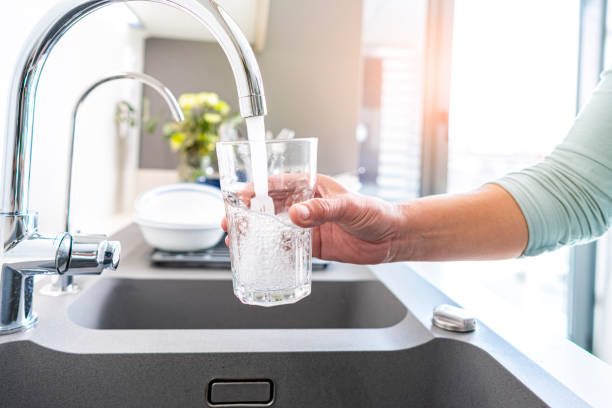
In today’s world, the quality of tap water is a growing concern for many households. Contaminants such as chlorine, lead, and harmful microorganisms can compromise water safety and taste. As a result, there is an increasing demand for effective water purification methods. One such method is the reverse osmosis system, a powerful home water filtration solution that ensures clean and safe drinking water. This article discusses the advantages, components, and considerations involved in installing a reverse osmosis system in your home.
Understanding Reverse Osmosis Systems
Reverse osmosis is a water purification process that uses a partially permeable membrane to remove ions, unwanted molecules, and larger particles from drinking water. The system works by applying pressure to overcome osmotic pressure, a colligative property, and a thermodynamic parameter.
Key Components of a Reverse Osmosis System
- Pre-filters: These are used to remove larger particles and sediment from the water before it reaches the membrane.
- Reverse Osmosis Membrane: This is the core component that filters out contaminants at the molecular level.
- Post-filters: These enhance the taste of the water by removing any remaining odors or flavors.
- Storage Tank: Stores the filtered water ready for use.
- Faucet: A dedicated tap for dispensing purified water.
For a more comprehensive understanding, discover expert strategies here.
Benefits of Installing an In-Home Reverse Osmosis System
The advantages of having a reverse osmosis system in your home extend beyond mere water filtration. Here are some key benefits:
- Improved Water Taste: By removing contaminants, the system enhances the taste, odor, and appearance of your water.
- Cost-Effective: Reduces the need for bottled water purchases, leading to long-term savings.
- Environmentally Friendly: Minimizes plastic waste from bottled water.
- Comprehensive Filtration: Effectively removes a wide range of contaminants, including chlorine, lead, and microorganisms.
To learn about tailored solutions for your home, find out more about this approach.
Considerations When Choosing a Reverse Osmosis System
Selecting the right reverse osmosis system for your home involves several considerations:
Water Pressure
Ensure that the system is compatible with your home’s water pressure. Low water pressure can affect the system’s performance.
System Size and Capacity
Determine the size and capacity of the system based on your household’s water consumption needs.
Installation and Maintenance
Consider professional installation to ensure optimal functionality. Regular maintenance is essential for the longevity of the system.
For further advanced guides and tips, explore advanced guides and tips.
Conclusion
An in-home reverse osmosis system is a reliable and efficient way to ensure access to clean and safe drinking water. By understanding the components, benefits, and considerations of these systems, households can make informed decisions that improve their water quality and overall health. For more information on how to integrate such systems into your home, learn more about our tailored solutions.
