Efficient Water Extraction Services in Atlanta
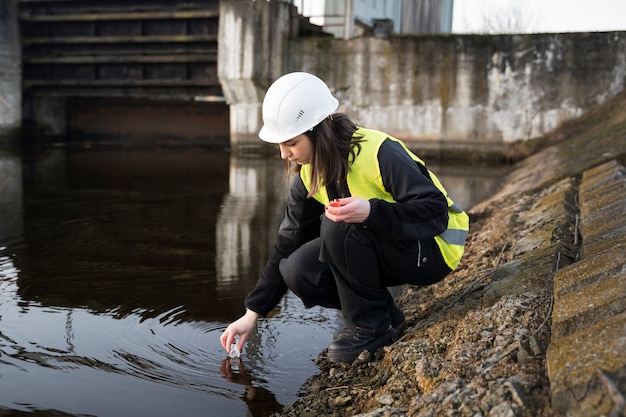
Atlanta, known for its vibrant culture and historical significance, is also susceptible to water-related challenges, particularly flooding and water damage. The city’s weather patterns, combined with its urban infrastructure, often necessitate efficient water extraction services. For residents and property owners, understanding the nuances of these services is crucial to maintaining property integrity and ensuring swift recovery after water damage incidents. Professional water extraction is not only about removing water but also involves a comprehensive approach to drying, dehumidifying, and restoring affected areas.
Understanding Water Extraction
Water extraction refers to the process of removing excess water from a property, typically following flooding or leaks. It is a critical step in preventing mold growth, structural damage, and other long-term issues. Efficient water extraction involves several key elements:
- Swift response to minimize water damage.
- Utilization of advanced equipment for thorough water removal.
- Expertise in identifying hidden moisture pockets.
For a deeper dive into expert strategies and techniques employed in water extraction, discover expert strategies here.
Advanced Equipment for Effective Extraction
The effectiveness of water extraction largely depends on the technology used. Advanced equipment ensures that water is removed efficiently and thoroughly, reducing the risk of future complications. Here are some tools commonly used in professional services:
- Submersible Pumps: Ideal for removing standing water quickly.
- Industrial Wet/Dry Vacuums: Used for extracting water from carpets, upholstery, and other surfaces.
- Dehumidifiers: Critical in removing moisture from the air and preventing mold growth.
To explore advanced guides and tips on water extraction equipment, explore advanced guides and tips.
Steps to a Comprehensive Water Extraction Process
Initial Assessment
The first step involves a thorough inspection to assess the extent of water damage. This includes identifying the source of water intrusion and the areas affected. An accurate assessment helps in crafting a tailored extraction plan. For more on tailored solutions, learn about our tailored solutions.
Water Removal
Once the assessment is complete, the next step is the actual removal of water using the aforementioned equipment. The focus is on rapid removal to prevent further damage and reduce the risk of mold development.
Drying and Dehumidification
After water removal, drying and dehumidification are crucial. This step ensures that moisture levels return to normal, preventing structural damage and mold growth. It involves the use of high-speed air movers and industrial dehumidifiers.
Monitoring and Restoration
The final step involves continuous monitoring of moisture levels and making necessary adjustments to the drying process. Restoration may include repairing damaged structures, replacing materials, and other necessary rebuilding efforts to return the property to its pre-damage state. Find out more about this approach.
Customer Feedback and Service Quality
The quality of service in water extraction is often reflected in customer feedback. Reading reviews can provide insight into the effectiveness and reliability of a service provider. Check out customer reviews here to see what others are saying about us.
